

Commercial rubbish removal for Tooting Market traders
Posted on 12/10/2026
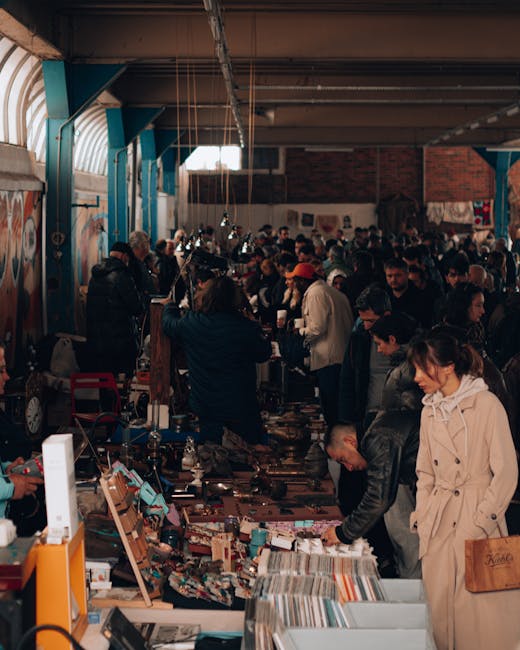
Running a stall in Tooting Market is busy work. One minute you are helping customers choose produce, stock, or specialist goods; the next you are staring at a growing pile of cardboard, packaging, broken crate pieces, food waste, or end-of-day junk that has to go somewhere. That is where Commercial rubbish removal for Tooting Market traders becomes less of a background task and more of a daily necessity. Get it wrong and the stall feels cramped, messy, and harder to work in. Get it right and the whole trading day runs smoother. Simple as that.
This guide breaks down how commercial waste removal works for market traders in practical terms: what counts as trade waste, why it matters, how collections are usually arranged, what to watch out for, and how to choose a reliable setup that fits a market environment. You will also find a checklist, a realistic example, and a few hard-earned tips that help avoid the usual headaches. Because let's face it, nobody needs waste becoming the loudest part of the day.
Why Commercial rubbish removal for Tooting Market traders Matters
Markets are not like ordinary retail units. Space is tighter, turnover is faster, and waste can build up in awkward ways: folded boxes behind a stall, food packaging under tables, broken display materials in the corner, or mixed rubbish that should have been separated hours ago. In a place like Tooting Market, where footfall, deliveries, and stall activity overlap, waste management is not just about tidiness. It affects trading conditions.
Customers notice clutter. Staff notice obstruction. Neighbours and nearby traders notice smell, overflow, and bins left in the wrong place. And in a busy market setting, one person's careless waste can quickly become everyone's problem. That is the annoying bit. It is also why a dependable commercial rubbish removal routine matters so much.
There is another layer too: trade waste is not the same as household rubbish. Traders generally need a proper commercial arrangement rather than assuming a general bin is enough. The practical approach is to treat waste as part of the cost and rhythm of trading, not as an afterthought. Once you do that, everything becomes easier to manage.
Expert summary: For market traders, the best waste system is the one that keeps your stall clear, matches your trading hours, and avoids build-up at the end of the day. Not the fanciest option. The one that actually gets used.
And in a market setting, consistency matters more than complexity. A reliable service, a clear waste routine, and a little discipline with sorting can save a lot of stress. Small thing, big difference.
How Commercial rubbish removal for Tooting Market traders Works
Commercial waste removal for traders usually follows a fairly straightforward pattern, but the exact setup depends on the type of waste, how much you produce, and how often you trade. Some stalls generate light, dry waste like cardboard and wrapping. Others produce heavier loads, mixed rubbish, or occasional bulky items. A good arrangement should reflect the real shape of the business, not some generic one-size-fits-all idea.
Typical process
- Waste is separated on site. Cardboard, recyclable materials, food waste, general rubbish, and bulky items are kept apart where possible.
- Collection or clearance is arranged. This may be a regular collection slot, an ad hoc pickup, or a one-off clearance after a busy event or stock refresh.
- Waste is loaded safely. The removal team collects from the agreed point, usually with minimal disruption to trading.
- Waste is transported and processed. Materials are taken away for appropriate handling, recycling, or disposal depending on type and condition.
For traders, the key is timing. If a collection arrives too early, you interrupt trade. Too late, and waste starts taking over the stall. The sweet spot is often around opening prep, mid-afternoon lull, or after close, depending on the market's operating pattern.
Some traders prefer to combine waste removal with other clearance needs, especially after refurbishments or stock changes. In that case, services such as rubbish collection in Tooting or even broader waste clearance support can be useful when you need more than a simple bin empty.
One practical point that people sometimes miss: market waste can be mixed in ways that slow everything down. A box with food residue is not the same as clean cardboard. Broken displays mixed with packaging are harder to sort. A few minutes of separation on site can save a lot of trouble later. It really can.
Key Benefits and Practical Advantages
Good waste removal is not just about "getting rid of rubbish." It improves the day in ways traders notice immediately. The stall looks better. The work area feels less cramped. Staff move more safely. Stock handling is easier. Customers have a better impression of the business. That's the obvious part. The less obvious part is how much mental space it frees up.
- Cleaner presentation: A tidy pitch makes the whole stall look more professional and trustworthy.
- Better use of space: In compact market units, every spare corner matters.
- Reduced trip and slip risks: Loose packaging, broken crates, and overfilled bags can get in the way fast.
- Less pressure at close-down: When waste is under control, you do not end up wrestling with a mountain of cardboard at 6pm.
- More reliable routines: Predictable removal makes stock planning and end-of-day clearing easier.
- Improved compliance confidence: Having a proper waste arrangement helps traders stay on the right side of expected practice.
There is also a customer-facing benefit that matters more than people sometimes admit. A clean, calm stall feels easier to buy from. If the back area is piled up and the front looks half-cleared, shoppers notice, even if they do not say anything. They just drift past. Human beings are funny like that.
For traders dealing with more varied waste, combining services can help. For example, if your operation includes storage areas, office corners, or staff rooms, office clearance in Tooting can be relevant where paper waste, old furniture, or redundant equipment are part of the picture. Likewise, stalls with bulky display items may benefit from furniture disposal in Tooting when fixtures need replacing.
Who This Is For and When It Makes Sense
This kind of service is relevant to a wide range of Tooting Market traders, not just food businesses. If your trading model creates regular waste, occasional bulky items, or fast turnover of packaging, it makes sense to think about a dedicated commercial removal plan.
Common trader types that benefit
- Food and drink stalls dealing with packaging, perishables, and daily spoilage
- Retail stalls with cardboard, wrapping, and display waste
- Market units with stock rotation or regular delivery crates
- Traders replacing shelves, counters, or fixtures
- Pop-up sellers and short-term vendors who need flexible removal
- Businesses that store goods off-stall and create periodic clear-outs
It also makes sense in a few specific moments:
- When waste starts building faster than your current bin system can handle
- After seasonal trading peaks, when packaging suddenly doubles
- Following refurbishments or a stall reset
- When you are trying to improve presentation and customer flow
- When shared bins are causing frustration, confusion, or overflow
Truth be told, many traders wait until waste becomes a nuisance before fixing the system. That is normal. But if you can spot the signs earlier, you save time and avoid the "where on earth do we put this?" moment halfway through a busy shift.
Step-by-Step Guidance
If you are setting up or improving commercial rubbish removal, keep it simple and build a routine that suits the market rather than fighting against it. Here is a practical way to approach it.
1. Assess what you actually throw away
Walk through a normal day and list the waste types you produce. Cardboard? Film wrap? Food waste? Broken packaging? Old display material? Bulky items? Once you know the mix, you can plan more accurately. Many traders underestimate the amount of packaging they generate. The boxes arrive, the products sell, and suddenly the back corner is full.
2. Separate waste streams where possible
Even a basic split between cardboard, recycling, and general waste makes a difference. It helps with loading, keeps the stall neater, and can reduce the chance of contamination. If you mix everything together, collections become less efficient and the whole process turns messy in a hurry.
3. Choose the collection rhythm
Some traders need daily support. Others only need removals a few times a week. The right rhythm depends on trading volume, storage space, and stall layout. There is no prize for overcomplicating it. If a simple twice-weekly arrangement works, great. If you need more frequent clearance during peak periods, that may be the better fit.
4. Decide where waste will be staged
Agree on a safe, accessible point for bags, boxes, and bulky items. In a market setting, access matters a lot. If waste is stacked in the wrong place, it can block movement or annoy nearby traders. And nobody wants a trolley battle at lunchtime.
5. Build in a quick end-of-day routine
A five-minute closing routine can prevent a lot of spillover. Flatten cardboard, bag loose waste, check for missed items, and make sure anything hazardous or bulky is set aside correctly. If your team knows the routine, waste management stops being a scramble.
6. Review the system after busy periods
After holidays, events, promotions, or seasonal trading spikes, take a look at what changed. Did waste increase? Did the timing stop working? Did storage become tight? Small adjustments keep the system useful, which is really what matters.
For traders who need a broader end-to-end solution rather than just bin emptying, it can help to review the services available through a local provider. A page like services overview can be useful for understanding how different removal types fit together, from routine collection to larger clear-outs.
Expert Tips for Better Results
Here is the bit that tends to make the biggest difference in real life: the best waste systems are boring in a good way. They run quietly, need little thinking, and do not interfere with trade. That is the goal.
- Flatten cardboard early. It takes seconds and saves a surprising amount of space.
- Use clearly labelled sacks or bins. Staff move faster when they do not have to guess.
- Keep waste away from customer-facing areas. Even neatly bagged rubbish can make a stall feel cramped if it is in the wrong spot.
- Match collection timing to your quietest window. Little disruptions add up in a market.
- Train everyone on the same routine. If each person handles waste differently, the system frays.
- Plan for the rush before it arrives. Friday trade, seasonal events, and delivery days often create the heaviest waste load.
A small but useful habit is keeping one extra heavy-duty bag or box in reserve. Not glamorous, admittedly. But when a container splits or a crate gives way just before closing, that backup saves the day. One of those little things.
If your waste includes mixed materials from building works, fit-outs, or repairs, it may help to separate those tasks from general market rubbish. Builders' waste tends to be bulkier and less predictable. In those cases, builders waste disposal in Tooting may be the more suitable route than standard trade waste removal.
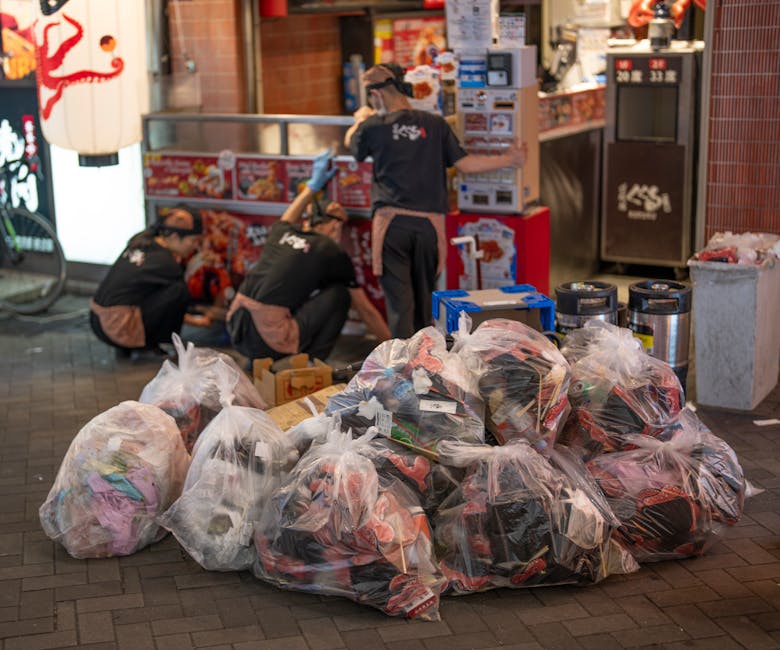
Common Mistakes to Avoid
Most waste problems for traders are not dramatic. They are usually small habits that repeat until they become annoying. The good news is that they are easy to fix once you spot them.
- Leaving waste until the end of the week: This almost always creates overflow.
- Mixing recyclable materials with general rubbish: It makes sorting harder and can lead to avoidable waste.
- Blocking access routes with bags or boxes: This creates safety issues and slows down trading.
- Assuming one solution fits every season: Busy periods usually need more frequent removals.
- Ignoring smells or spillages until they spread: Especially important for food traders.
- Not agreeing a clear responsibility: If nobody owns the routine, it slips.
One common trap is the "we'll sort it later" approach. Later rarely comes at the right time. In a market, later usually means after closing, when everyone is tired and the bin situation has become more annoying than it should be. Better to keep on top of it during the day, even if that means one extra tidy-up.
Tools, Resources and Recommendations
You do not need a complicated toolkit to manage market waste well. A few sensible items and a clear process usually do the job.
| Tool or resource | What it helps with | Why it matters for traders |
|---|---|---|
| Heavy-duty waste sacks | Containing mixed rubbish safely | Reduces tearing and spillages during busy periods |
| Stackable crates | Keeping cardboard and light materials tidy | Makes small stalls easier to work in |
| Labelled bins | Separating waste types | Improves speed and reduces confusion for staff |
| Flat-pack storage method | Compressing cardboard and packaging | Saves space in tight trading areas |
| Scheduled clearance plan | Timing removals | Keeps waste from building up during peak trading |
For traders who want to compare local service options or understand what is typically included, pages like pricing and quotes can help set expectations. If your stall also has seasonal waste or exterior tidy-up needs, you might find recycling and sustainability helpful for thinking through cleaner disposal habits.
And if you are trying to understand the area's wider pattern of collections and access, local reading such as rubbish collection on Tooting Broadway and Haydons Road can give a better sense of how waste services are often handled around SW17. Not because your stall is identical to a road-side pickup, of course, but because local logistics tend to rhyme.
Law, Compliance, Standards, or Best Practice
Waste handling in the UK comes with responsibilities, especially for businesses. Traders should treat commercial rubbish as trade waste and make sure it is handled appropriately. That means having a proper arrangement, storing waste sensibly, and not assuming that household-style disposal rules apply automatically.
A few best-practice principles are worth keeping in mind:
- Keep waste secure: Bags and containers should be stable and not leaking or spilling.
- Separate hazardous items: Anything unusual, sharp, or potentially harmful should be handled carefully.
- Use a reputable waste carrier: Businesses should be cautious about who removes waste and where it goes.
- Maintain records where relevant: Keep documentation or receipts tied to commercial waste arrangements if your operation requires it.
- Follow site rules: Market-specific procedures matter just as much as general waste practice.
This section is intentionally broad because specific legal duties can vary depending on the waste type, your trading setup, and how the market is managed. If you are unsure, it is sensible to check your obligations rather than guessing. Waste is one of those areas where "probably fine" is not a strategy.
Safety matters too. A properly run service should consider access, load handling, and safe movement around the stall. If you want to know more about how a provider approaches these practical issues, insurance and safety is a useful page to review. It is not the exciting part, but it is the part that helps everyone sleep better.
Options, Methods, or Comparison Table
There are several ways traders in Tooting can manage rubbish. The right choice depends on volume, urgency, and the kind of waste you create. Here is a simple comparison.
| Method | Best for | Pros | Trade-offs |
|---|---|---|---|
| Regular commercial collection | Stalls with steady daily waste | Predictable, efficient, easy to budget for | May need careful scheduling in busy periods |
| One-off clearance | Seasonal resets, surplus stock, bulky items | Flexible and quick for occasional needs | Not ideal for ongoing waste streams |
| Mixed clearance service | Traders with varied rubbish types | Handles several waste streams together | Requires clear sorting and access planning |
| Self-managed disposal | Very small waste volumes | Low immediate cost if volumes stay tiny | Can become time-consuming and messy fast |
For many Tooting Market traders, the sweet spot is a regular removal system with the flexibility to add extra clearances during busy trading windows. That way, you are not overcommitting but you are also not waiting for a pile-up to tell you what is obvious.
If your business also needs help with domestic clear-outs related to living above or near the market, house clearance in Tooting can be relevant in the wider mix of local support. And for traders handling old stock, storage overflow, or seasonal goods, loft clearance in Tooting may be handy when premises and storage spaces need a proper reset.

Case Study or Real-World Example
Imagine a small market trader selling packaged deli items and a few fresh products. During a normal week, waste is manageable: a couple of cardboard bundles, some food wrappers, a few sacks of general waste. Then Friday and Saturday arrive. Deliveries increase, packaging stacks up, and the stall's back area starts shrinking. By mid-afternoon, the trader is stepping around boxes, and the closing routine becomes a rush.
After reviewing the routine, the trader splits waste into three clear groups: clean cardboard, food-related waste, and general rubbish. Cardboard is flattened immediately after unpacking. Food waste is bagged separately and sealed properly. A clearance slot is moved to after the busiest trading period rather than right before opening. Nothing dramatic changes, but the stall feels calmer almost at once.
That is the real value of a better waste system. Not glamour. Not bells and whistles. Just fewer awkward piles, fewer last-minute scrambles, and a workspace that feels like it belongs to the business again.
I have seen similar setups around local high-street and market trading environments, and the pattern is always the same: the cleaner, simpler system wins. Every time. Well, nearly every time.
Practical Checklist
Use this checklist to keep your commercial waste routine on track.
- Identify every waste type your stall produces
- Separate cardboard, recyclables, and general rubbish
- Make sure waste containers are strong enough for daily use
- Agree when and where collections will happen
- Keep access routes clear for staff and removals
- Flatten packaging as soon as it is empty
- Remove or bag waste before it blocks trading space
- Check whether bulky items need a different service
- Review your routine after busy trading periods
- Keep compliance and safety in mind throughout
If you can tick most of those boxes, you are already ahead of the average setup. And if one or two are not quite there yet, that is fine. Waste systems usually improve in small steps, not all at once.
Get a free quote today and see how much you can save.
Conclusion
Commercial rubbish removal for Tooting Market traders is really about control: control over space, timing, appearance, and the daily flow of trade. When waste is handled properly, the stall feels easier to work in and the whole trading day has less friction. When it is not, everything gets tighter, slower, and more stressful than it needs to be.
The best approach is usually a straightforward one. Know what you throw away, separate it sensibly, schedule removal to suit the market rhythm, and keep the process simple enough that your team can actually stick to it. That is the part people often overlook. A waste system only works if it fits real trading life.
Start with what you have, tidy the weak spots, and build from there. A little consistency goes a long way. And honestly, in a busy market, that is a pretty comforting thing to have.
 Tipper Van - Rubbish Removal and Rubbish Disposal Prices in Tooting, SW17
 Luton Van - Rubbish Removal and Rubbish Disposal Prices in Tooting, SW17

